
 By
By 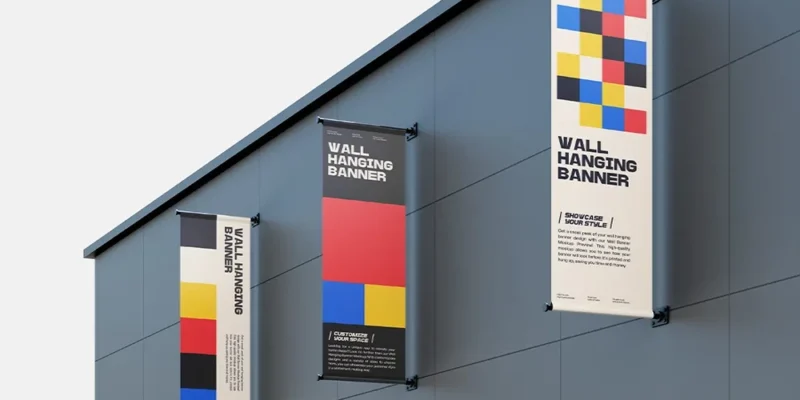
As of now, banners are still one of the best and least expensive ways for companies to advertise. Banners can quickly grab people’s attention and get important messages across to a large group, whether they are advertising a grand opening, a special event, goods at a trade show, or making a brand more visible in busy places. But the success of any banner campaign rests on more than just the design. It also depends on picking the right material for the place where the banner will be put up.
Understanding the differences between indoor and outdoor banner materials helps businesses maximize durability, appearance, and return on investment.
Why Banner Material Selection Matters
The material used for a banner directly affects its lifespan, visual appeal, and performance. A banner displayed indoors faces different conditions than one exposed to sunlight, wind, rain, and temperature fluctuations outdoors.
Choosing an unsuitable material can result in fading colors, tearing, curling edges, or a banner that simply does not present the brand professionally. By selecting the right material from the start, businesses can ensure their advertising remains effective throughout the intended display period.
Popular Materials for Indoor Banners
Indoor banners are commonly used in retail stores, trade shows, conferences, shopping centers, and corporate events. Since these environments are generally protected from harsh weather conditions, businesses often prioritize appearance and print quality.
Vinyl banners are a popular choice for indoor applications because they provide vibrant color reproduction and excellent durability. They work well for promotional displays and event signage.
Fabric banners are another attractive option. These materials create a premium appearance and reduce glare from indoor lighting. Fabric banners are frequently used for exhibitions, conferences, and upscale promotional events where presentation is especially important.
Mesh materials are less common indoors but may be used when lightweight displays are required or when airflow considerations are important.
Choosing Materials for Outdoor Advertising
Outdoor banners must withstand environmental challenges while maintaining their visual impact. Strong winds, rain, direct sunlight, and changing temperatures can quickly damage low-quality materials.
Heavy-duty vinyl is one of the most widely used outdoor banner materials because it offers excellent weather resistance and durability. It can withstand prolonged outdoor exposure while retaining bright, visible graphics.
Mesh banners are particularly effective in windy locations. The small perforations throughout the material allow air to pass through, reducing strain on the banner and supporting structure. This makes mesh an ideal choice for construction sites, fences, and large outdoor advertising installations.
Businesses investing in banner printing Los Angeles often select weather-resistant materials due to the region’s year-round outdoor advertising opportunities and varying environmental conditions.
Considering Banner Placement
What kind of material will work best depends a lot on where it is used. A banner displayed on a building exterior requires different characteristics than one hanging inside a convention center.
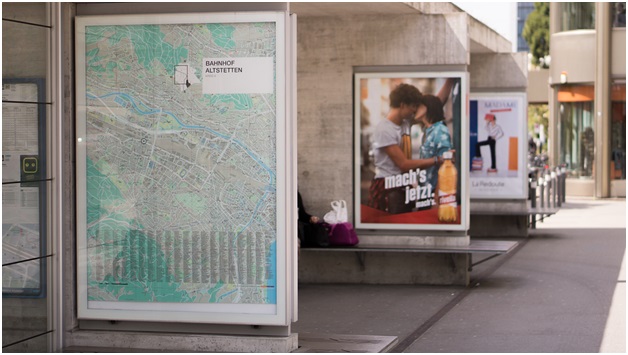
For roadside advertising, durability and visibility from a distance are top priorities. Heavy vinyl or mesh materials often provide the best results. For indoor retail displays, appearance and print sharpness may be more important than weather resistance.
Evaluating where the banner will be placed helps businesses avoid unnecessary costs and select materials that match their specific advertising goals.
Print Quality and Visual Impact
Different materials can affect how colors and graphics appear once printed. Smooth vinyl surfaces typically deliver bold, vibrant colors and sharp text. Fabric materials often create a softer, more elegant appearance while still maintaining excellent image quality.
Businesses should consider viewing distance as well. Large outdoor banners viewed from hundreds of feet away require bold graphics and high-contrast colors. Indoor banners viewed up close may benefit from more detailed images and refined design elements.
The combination of suitable material and professional printing ensures that marketing messages remain clear and visually appealing.
Durability and Cost Considerations
When planning advertising efforts, budget is always a big deal. Even though high-end materials may cost more at first, they usually end up being more valuable in the long run because they last longer and cost less to repair.
For short-term indoor events, lightweight materials may be sufficient. For long-term outdoor campaigns, investing in stronger materials can prevent damage and maintain a professional appearance over time.
Balancing durability, appearance, and budget helps businesses achieve the greatest return on their advertising investment.
Conclusion
Selecting the right banner material is a crucial step in creating effective indoor and outdoor advertising campaigns. Indoor environments often benefit from vinyl and fabric options that prioritize appearance and print quality, while outdoor applications typically require weather-resistant materials such as heavy-duty vinyl or mesh. By considering location, environmental conditions, durability requirements, and visual goals, businesses can choose banner materials that enhance brand visibility and ensure their message remains impactful wherever it is displayed.




Comments