
 By
By 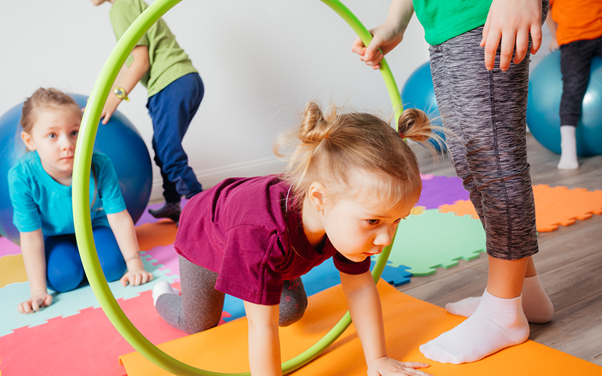
Picture this: a room full of toddlers, foam blocks everywhere, upbeat music bouncing off the padded walls, and an enthusiastic instructor trying to wrangle five preschoolers into a line. It sounds like organised chaos, and sometimes, it is. While it might seem like a recipe for adorable disaster, these structured classes at preschool gyms help children grow in ways we rarely stop to notice. It’s worth exploring the unpredictable moments that can occur, the tools parents need to survive them, and why even the messiest gymnastics session might just be building something beautiful underneath the noise.
When Your Preschooler Goes Full Olympic Rebel
Let’s be honest: preschoolers are not known for their predictability. In a preschool gym environment, that unpredictability can lead to moments you won’t soon forget.
Worst-case scenarios in preschool gymnastics are about emotional mini-meltdowns. Maybe your child refuses to participate after a water break. Maybe they bolt toward the exit mid-routine. Perhaps they decide the foam blocks are better suited for building a house than doing forward rolls. These are the realities many parents face in the first few weeks of gymnastics enrichment classes.
Such chaos might be unsettling, especially for first-time parents hoping to instil a bit of structure and routine. But here’s the truth: these outbursts are often part of a child’s adjustment to social learning. The gym becomes their first experience of listening to instructions outside the home, navigating peer dynamics, and managing frustration in a space where fun and discipline meet.
How to Get Through Preschool Gym Without Losing It
Here’s the good news: you don’t have to be a super parent to survive the early days of preschool gym. You need a bit of preparation, a heap of patience, and a realistic expectation of what a 3-year-old can do in a structured play setting.
First, understand that preschool gymnastics is as much about emotional development as it is about physical skills. Yes, your child might learn to somersault or balance, but just as importantly, they’re learning to wait their turn, listen, and respond to cues. Celebrating the small victories is the highlight of the session.
Second, trust the process. Gym enrichment programmes are built with routines that help kids anticipate what’s coming next. Whether it’s a song at the beginning or a goodbye tunnel at the end, these rituals anchor children and slowly encourage participation. It’s tempting to step in when your child freezes up, but giving them space to observe, absorb, and eventually join in is a powerful part of their growth.
Third, be consistent. The first few sessions might be rocky, but regular attendance helps your child feel more secure and familiar with the environment. Many children who initially cling to their parents during warm-ups later become the ones leading the obstacle course. The key is repetition and reassurance.
And finally, don’t compare. Every child develops at their own pace. Some might leap into the foam pit with fearless abandon, while others need weeks before trying a gentle log roll. Both are valid.
Why the Madness is Worth It
After surviving a term of preschool gymnastics, most parents agree: it’s worth every awkward, clingy goodbye and foam-block tantrum. What looks like chaos often disguises incredible progress. Children emerge with better coordination, improved balance, stronger motor planning, and crucial confidence. But more than that, they develop resilience.
Preschool gym sessions act as a bridge between early childhood freedom and structured school environments. It’s where kids first taste the rhythm of routines, the pride of learning something new, and the joy of moving their bodies for fun. It’s also a safe space for exploration, failure, and silly successes, all rolled into one.
Backed by early childhood experts and reinforced through play-based routines, gymnastics activities have been shown to enhance executive functioning and memory retention in preschool-aged children. A movement-based education improves children’s classroom readiness. In Singapore, the push for holistic development at the preschool level aligns with these principles, integrating motor skill learning into broader enrichment frameworks.
Foam Mats, Mini Trampolines, and Real Growth
There’s no denying that preschool gym classes can look a little chaotic from the outside. One child is running in circles, another is crying because they didn’t get the red ribbon, and your own is clinging to your leg like their life depends on it. But underneath that noise is real, tangible growth. Preschool gymnastics is about helping children take their first brave steps towards independence, self-regulation, and movement mastery. So the next time your preschooler is crawling through a tunnel in a class full of equally energetic kids, remember: they’re playing, practising and learning. And maybe, they’re becoming a little more themselves with every tumble, twist, and tiny triumph.
Think your toddler’s just bouncing around? Visit BearyFun Gym and take their first step toward confidence, coordination, and calm today.







Comments