
 By
By 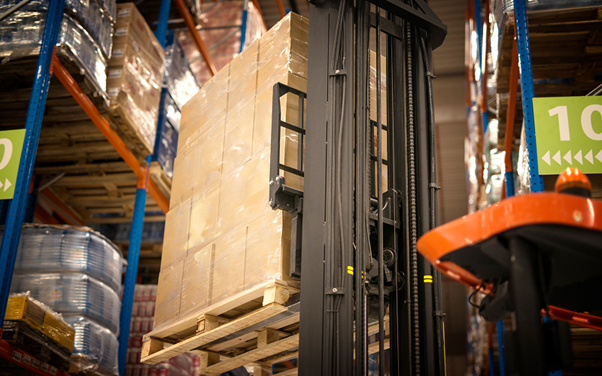
Material handling plays a vital role in the smooth flow of operations across warehouses, factories, and distribution centres. The right material handling equipment enhances productivity, improves safety, and reduces labour costs. However, selecting the right equipment involves more than just choosing machines from a catalogue. Each facility has unique operational needs, and an unplanned investment could lead to inefficiencies or wasted resources. Before making any purchases, there are several key points businesses must examine carefully.
Evaluate Operational Requirements First
The first step in any equipment decision is understanding what exactly the equipment will be used for. Different industries handle different types of materials, from heavy steel components to lightweight packaging. Businesses should assess load sizes, handling frequency, environmental conditions, and available space.
For example, if goods are frequently moved across multiple warehouse levels, vertical lift modules or stackers might be more suitable. On the other hand, if the materials are bulky or sensitive, conveyors or pallet trucks may be more effective. Equipment should always align with day-to-day demands to ensure smooth and reliable workflows.
Factor in Long-Term Usage and Durability
Material handling equipment is a long-term investment. While some models may seem cost-effective upfront, they might not withstand extended or intensive use. It’s important to assess build quality, expected lifespan, and the kind of maintenance each machine will need.
Warehouses with high daily throughput require durable equipment that can operate without frequent breakdowns. It’s worth evaluating whether the equipment is built for industrial settings and whether spare parts are easy to source locally. A robust solution will require fewer repairs and last longer under pressure.
Assess Safety and Compliance Standards
Safety is a priority when investing in heavy-duty equipment. Equipment that lacks basic safety mechanisms or certifications can pose serious hazards to workers and lead to operational downtime.
Before making a decision, ensure the equipment meets workplace safety regulations. This includes emergency stop features, load limit indicators, protective guards, and anti-slip platforms. Proper training should also be considered in parallel with any purchase to ensure safe and responsible usage.
Consider Flexibility and Scalability
Business needs evolve. A facility that handles a specific set of goods today might expand its inventory or switch to new materials within a few years. Equipment that serves a narrow function may become obsolete when operations scale.
For this reason, flexibility should be a key consideration. Equipment with adjustable features, modular designs, or integration capabilities will offer more value over time. Investing in scalable systems can support future growth without requiring complete overhauls.
Calculate Total Cost of Ownership
Price tags tell only part of the story. The full cost of owning material handling equipment includes installation, maintenance, energy use, repairs, training, and eventual replacement. Businesses must calculate the total cost of ownership (TCO) to understand the long-term financial impact.
It is important to look beyond upfront cost and consider the cumulative expenses over the machine’s lifetime. A lower-cost unit may result in higher maintenance costs, while a slightly more expensive model could save thousands in the long run through better energy efficiency and fewer repairs.
Learn More: How Semi-Automatic Strapping Machines Enhance Warehouse Safety
Examine the Impact on Workflow and Layout
Introducing new equipment into an existing warehouse or production line will affect how people and goods operate. Before finalising a purchase, it’s worth mapping out how the new machinery will interact with existing layouts.
Will aisles need widening? Will shelving or stations require repositioning? Efficient integration is essential. Disrupting workflows for incompatible equipment can lead to bottlenecks and reduce productivity rather than improving it. Conducting a layout analysis can prevent these issues and help select the equipment that best fits the current space.
Look Into Maintenance and Support Availability
No equipment runs indefinitely without care. A realistic maintenance plan should be factored into any purchase decision. Equipment with complicated servicing needs or limited support in your region can result in longer downtimes.
Choosing machines with accessible maintenance protocols and available technical support ensures smoother operations. It also allows in-house teams to handle basic servicing with minimal training. If third-party servicing is required, response time and parts availability become critical.
Investing in material handling equipment requires careful planning, from understanding daily operational needs to considering long-term costs and space requirements. Each decision should be based on function, durability, safety, and the future direction of the business.
For more information about material handling equipment, contact Sunstream Industries today.










Comments