
 By
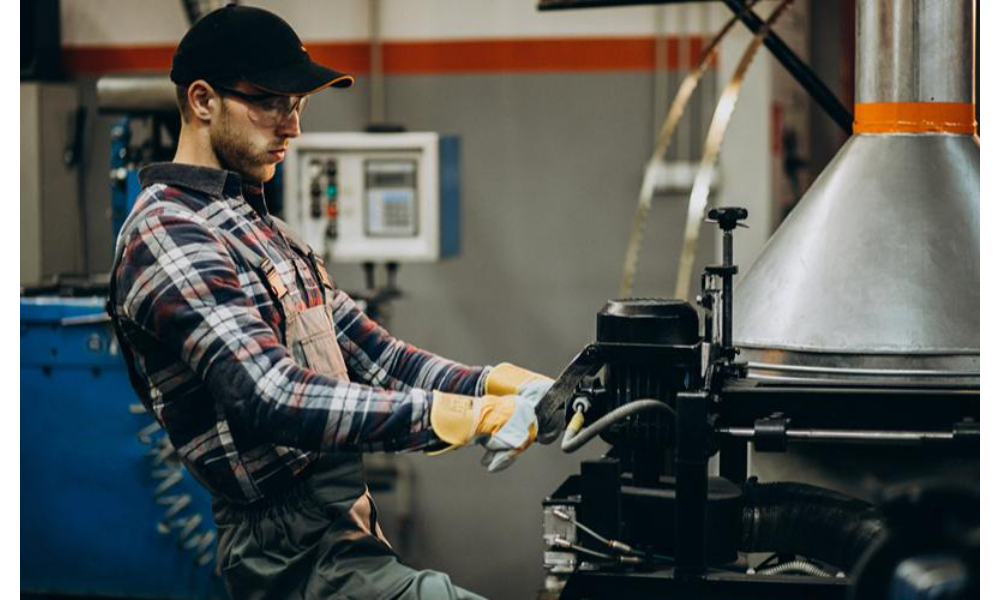
By When you walk into a process plant, you’re stepping into a place filled with machines, heat, chemicals, and constant activity. Every task carries responsibility, not just for your own safety but for the people working beside you. This is why safety training becomes the anchor of your workday. It guides the way you think, act, and protect the team around you. You’ll see how proper training supports your confidence, sharpens your awareness, and prepares you for many challenges in this environment.
Do You Really See Every Risk Around You in the Plant?
You may feel familiar with your work area, but many hazards stay hidden until the moment they become a problem. Pressurized lines, high temperatures, reactive chemicals, stored energy, and fast-moving equipment can all create danger. If you’re not trained to recognize early signs, you may miss something important. This is where workplace hazard awareness training becomes valuable.
Good courses help you understand how the plant works behind the scenes. You learn how valves respond under stress, how pipelines behave when pressure changes, and how small shifts can signal bigger issues. This knowledge helps you act early and keep situations from escalating.
Over time, you’ll start spotting things you once overlooked. A cluttered walkway. A step that workers tend to rush. A habit someone repeats without thinking. With the right skills, you know when to pause, speak up, and protect your team from harm.
Will You Know What To Do When Something Feels Wrong?
In a process plant, sudden smells, alarms, pressure shifts, or strange vibrations can all point to danger. When that moment arrives, will you know how to react, and will you feel ready to take action?
Training prepares you for these situations. You learn who to contact, how to create distance, how to keep the area stable, and how to guide others to safety. A strong industrial safety compliance course helps you stay calm and focused.
Instead of guessing, you follow steps you already understand. You feel steady and capable even when pressure rises. When your whole team has that level of preparation, the workplace becomes far safer and more controlled.
How Much Trouble Can the Right Training Save You From?
Many plant incidents begin with small mistakes. A skipped step. A tool used without care. A moment of rushing. These small errors can grow into bigger issues over time.
Training teaches you to work within safe limits, handle chemicals correctly, lift with proper technique, and maintain tools in a safe way. You also understand why each step matters, which helps you follow procedures more consistently. With strong operational risk control skills, you reduce the chance of unsafe decisions and support safer habits throughout your shift.
This is why solid safety training plays such a big role in your long-term development. You work more confidently, protect your team, and help create a stable and dependable environment.
Could Strong Safety Skills Change Your Career Path?
You might see safety courses as another item on your checklist, but they can shape your career in meaningful ways. Supervisors and senior staff look for workers who treat risk control as part of their identity. That mindset earns trust and respect.
Programs like process plant safety certification show that you take your work seriously. Over time, you become someone others rely on. You may lead toolbox discussions, help new workers learn safe habits, or support inspections. These responsibilities can open the door to higher roles and better pay.
You’re not only performing tasks. You’re building a professional value that people notice.
Are You Doing Your Part To Protect Everyone On Shift?
Process plants rely on teams who support one another. Your actions can affect coworkers, contractors, and visitors. This means your decisions matter more than you may realize. Training gives you the tools to shoulder this responsibility with confidence.
Through onsite safety procedures education, you learn how to use protective gear the right way, keep pathways safe, follow lockout steps, and maintain a safe workspace. You also learn how to speak up when something feels off, even when it’s uncomfortable. One brave moment can prevent an injury.
When you apply what you’ve learned, you help build a place where people feel safe, supported, and respected.
Conclusion
Working in a process plant means facing real risks. You deserve strong support, steady guidance, and the right skills to manage those risks with confidence. With committed safety training, you strengthen your abilities, support your teammates, and build a safer path for your career.
Provide your staff with the necessary training for process plant operations. Contact Pioneer Training Centre to schedule a course or request more information.








Comments