
 By
By 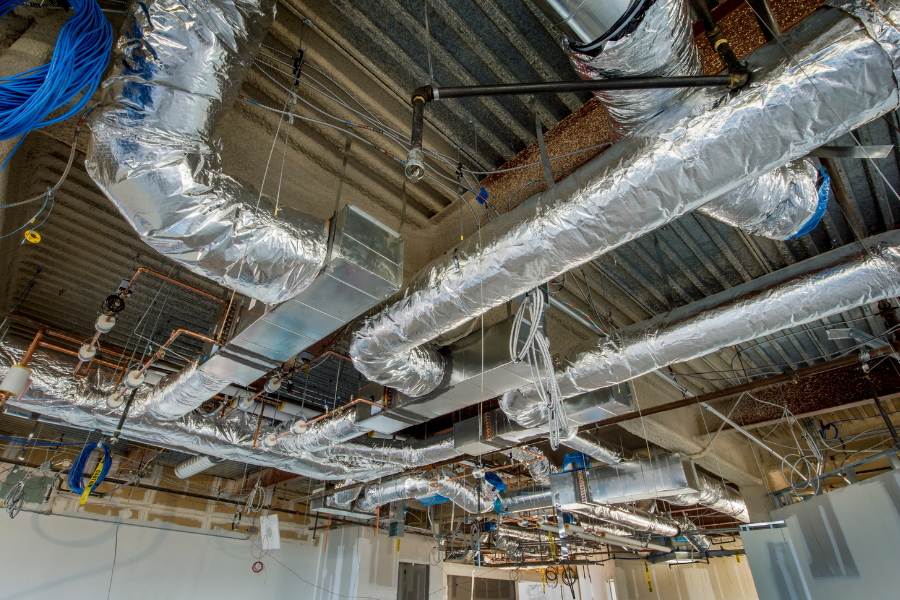
If you run or manage an industrial facility, you know how much pressure there is to keep everything safe, steady, and cost efficient. Equipment runs hot, processes move fast, and one shift in temperature can affect your entire operation. That is why industrial insulation becomes something you depend on more than you might realise. It supports energy use, protects equipment, and keeps your workplace safer for the people who rely on you each day. In Singapore’s growing industrial sectors, reliable insulation has become a practical part of daily operations and long-term planning.
In this guide, you will learn what insulation does for your facility, where it matters most, how it protects your operations, and how you can tell when your system needs attention. You will also find helpful points to guide you when choosing insulation in Singapore’s demanding industrial environment.
What Makes Industrial Thermal Insulation So Vital to Your Operations?
Industrial thermal insulation refers to any material or system designed to slow heat transfer in industrial spaces and equipment. Materials such as mineral wool, fiberglass, ceramic fiber, and high-temperature foam are used in many facilities. These materials are part of wider thermal protection systems designed to withstand heat and constant use.
Insulation helps keep hot surfaces hot and cold surfaces cold. This stabilises your processes, lowers unwanted heat transfer, and supports a safer workspace. When you rely on insulation that performs well, your operations become easier to manage and more predictable.
When comparing materials, you should consider R-value, durability, fire resistance, moisture control, and corrosion resistance. These qualities matter even more in humid or offshore areas, where environmental exposure affects how long insulation lasts.
Where Does Industrial Insulation Make the Biggest Impact in Your Facility?
If you look around your facility, you will see insulation in many places even if it blends into the background. It supports both everyday systems and high-temperature operations.
Piping and ductwork that carry steam, hot water, or chilled water rely on insulation to maintain steady temperatures. Systems using heat loss prevention materials stay more efficient and do not strain pumps or boilers as much.
Boilers and storage tanks need insulation to hold temperature levels. This helps you keep energy use stable and supports product quality and worker safety, especially when storing fuel or chemicals.
Industrial machinery such as motors, pumps, and turbines also benefit from insulation. It helps regulate industrial equipment temperature control and reduces heat stress on important components. This also helps create a safer workspace for your maintenance team.
Furnaces and ovens depend on insulation to contain heat and support consistent performance. Without good insulation, heat escapes and operations become less reliable.
Some insulation products also help reduce noise and vibration. This can make your workplace feel calmer and more comfortable for your team, especially in facilities with heavy machinery.
Marine and offshore sites require insulation that can withstand salt exposure, humidity, and movement. Specialised insulation helps these structures stay functional in intense environments.
Why Do Businesses Experience Such Powerful Benefits From Industrial Insulation?
Insulation helps your facility in many ways. One of the clearest benefits is improved energy performance. Quality insulation supports energy-efficient insulation solutions that help your systems use less fuel and electricity. Over time, this helps your operations stay cost effective.
You also reduce long-term maintenance costs. When equipment stays within safe temperature limits, it undergoes less stress. This leads to fewer repairs and longer equipment life.
This is also where your second required keyword placement appears:
Using industrial insulation gives your workforce a safer environment, protects your equipment from heat exposure, and supports a more stable process flow.
Insulation also supports your team’s well-being. Hot surfaces can cause serious injuries. By covering these areas with the right materials, you reduce risks and show your team that their safety matters. These are essential workplace safety insulation measures that work quietly in the background.
Insulation also helps you lower energy use and reduce emissions. If your organisation has sustainability targets, insulation supports them in a practical way that fits into daily operations.
Is Your Facility Showing Warning Signs That Insulation Is Failing?
You might notice early signs that your insulation system no longer performs as it should. These signs vary in severity but are worth paying attention to.
If your energy bills rise even when your production levels stay the same, your insulation may not be holding heat or cold as well as before. Your systems may be working harder to keep temperatures stable.
Uneven temperature readings on pipes, tanks, or surfaces also suggest that insulation may be damaged or worn out. These changes often show up as warm or cool spots during inspections.
You may also notice visible concerns such as cracks, gaps, or insulation that looks compressed or damp. These signs signal that your system needs review. Insulation naturally wears down over time, especially in active or high-temperature environments.
How Do You Choose the Right Industrial Insulation for Singapore’s Demanding Environments?
Choosing the right insulation begins with understanding your operating conditions. You should consider temperature range, exposure to chemicals, mechanical pressure, and vibration levels. Different parts of your facility may need different materials to perform well.
Humidity and salt exposure in Singapore’s coastal and offshore locations also affect insulation performance. You will get better long-term results by selecting materials that resist corrosion and moisture.
Local regulations play a role too. Many industries require specific fire and safety standards. Working with insulation specialists helps you meet those requirements and choose systems that match your operations.
Conclusion
Industrial insulation plays a valuable role in keeping your facility safe, stable, and cost efficient. It helps protect your equipment, support your team, and maintain consistent energy use. When you select the right system and give it proper maintenance, insulation becomes a long-term investment that strengthens your daily operations.
Explore how industrial insulation can strengthen your facility by consulting Excel Insulation Services PTE. LTD. today.






Comments