
 By
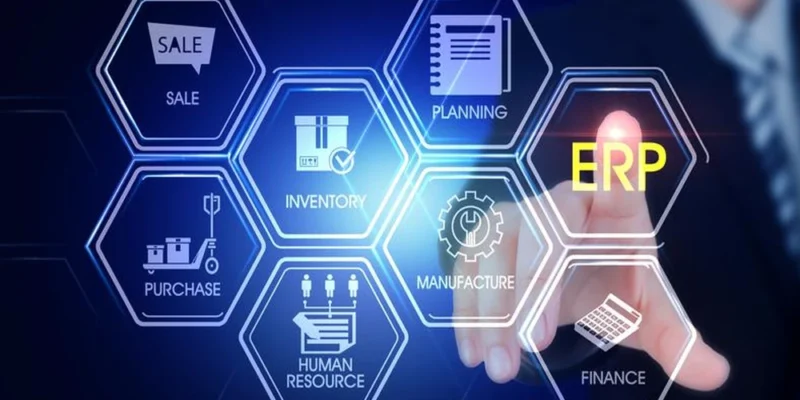
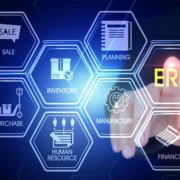
Fabrication manufacturers in Australia feel pressured by the observers of the strict deadlines, shortage of labour and the problem of purchasing of materials. ERP for Australian fabrication manufacturers is business software which integrates production, stock, costing and purchasing. This guide brings the concept of what ERP is and how it benefits fabrication businesses.
Discussing more about ERP for Australian fabrication manufacturers
What ERP means for fabrication
ERP is the short term of enterprise resource planning. It connects all the major components of a fabrication business in a manner that they all operate on the same data. This saves duplication of efforts and delays employment. Main benefits:
- One source of truth: The quotes, orders, stock and costs reside within the same system so that no longer do teams have to search through spread sheets and various programs to find information.
- Better visibility: Managers can monitor job progress, delays and cost in real-time thus making them fast and confident in making decisions.
- Less manual work: Automated processes, e.g., order updates and reporting, are saving several hours per week and reducing the number of errors caused by withholding data input.
Production management
Fabrication is a process involving a lot of activities beginning with cutting and welding up to the finishing and delivery. ERP also helps to plan such activities and keep schedules. There are clear plans therefore less time was wasted. The use of ERP to support production:
- Production scheduling: This is done by scheduling jobs by machine time, labour, due dates and this has ensured that the workshop is busy without having one team overworked.
- Job tracking: Supervisors can be aware of the level of each job at which point they are, thus it is easy to detect bottlenecks at early stages of the job, and to reallocate as needed.
- Clear work instructions: The job details, notes and drawings are made accessible to the shop floor minimizing confusion and risk of rework.
Inventory management
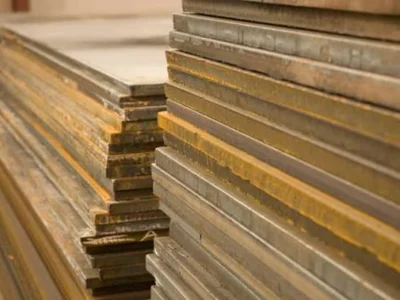
Much of the cost of fabrication includes raw materials such as steel, aluminium and fittings. ERP maintains an inventory of stock and its usage. This helps to prevent shortage and wastages. Inventory tools which are followed:
- Raw materials: The system keeps a record of steel, sheet and components as it enters the business implies that staff will know what to retrieve prior to a job beginning.
- Stock levels: It will raise a low stock warning and this will allow the business to re-order before it is too late to halt production at high costs.
- Material usage: Each job consumes a certain amount of material, which is recorded making it easier to minimize offcuts and unforeseen losses.
Job costing
Job costing is a demonstration of the true cost of each project. Without it, a job may appear to be very lucrative on paper, whereas it is not. ERP gives the right figures even in situations where work is in progress. Costs monitored:
- Labour costs: The time it takes to complete a job is given and this will indicate that the number of hours is within the moveable quotation or it is increasing.
- Material costs: This enables the managers to see the costs are blowing out of proportion before the completion of the job.
- Production costs: Overheads and machine time are added to total and this provides a comprehensive view of profit by each project.
Material requirements planning
MRP also known as material requirements planning computes what and when each job needs. It compares these needs to existing stock. This stalls jobs due to shortage of supplies. What MRP does:
- Forecast needs: It is also through the system that it calculates the material needed in the next jobs and this enables the business to plan ahead as opposed to having to react to the shortages.
- Check availability: MRP compares the materials needed and the stock available hence the teams will be informed instantly on whether they can start a job on time.
- Trigger orders: The system can suggest a purchase of shortages and reduce delays and save the productivity of the supply production at the right pace.
Conclusion
ERP gives the fabrication manufactures the opportunity to have one production, inventory, costing, planning and purchasing system. Having more transparent data and control, businesses will be able to work more efficiently and guard their profit.




Comments