
 By
By 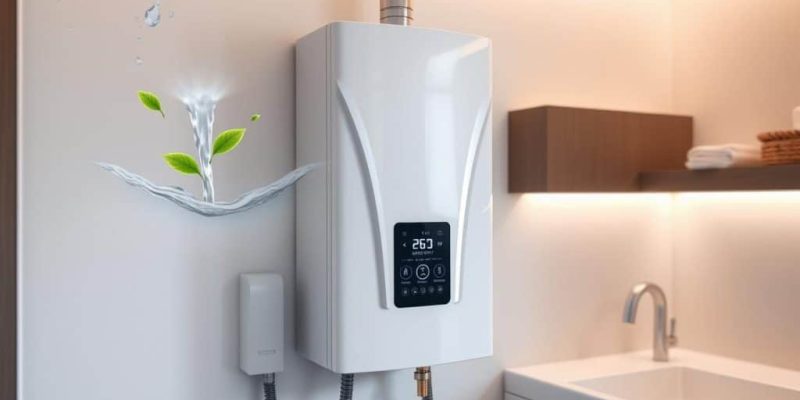
Every winter, Twin Falls homeowners face the same question: How can you keep the hot water flowing without draining your wallet or patience? Water heating is far more than a convenience in this region. It shapes monthly utility bills, home comfort, and even the space you have for storage and living.
Why Water Heating Matters for Twin Falls Homes
With its blend of cold winters and hot, dry summers, Twin Falls homes endure dramatic swings in water demand. It is not just about long showers on frosty mornings. Local water often contains minerals, which can stress appliances and plumbing over time, making the choice of water heater especially important.
Traditional water heating systems, reliable but not without flaws, struggle against hard water buildup and sometimes run out just when you need them most. For residents, this means both comfort and cost are at stake.
Understanding Traditional Water Heaters
Tank-style water heaters have been the default for decades. A large insulated tank heats and stores 30 to 80 gallons of water, keeping it ready for use.
Pros:
– Lower upfront cost
– Familiar technology
– Can handle simultaneous, high-flow demands
Cons:
– Standby heat loss (energy used keeping water hot, even when not needed)
– Limited hot water supply (when the tank runs out, you wait)
– Bulky, takes up space
– Shorter lifespan when exposed to hard water
Homeowners in Twin Falls often find themselves replacing standard tanks sooner than expected. Mineral buildup reduces efficiency and can shorten the average lifespan to as little as 8-12 years if maintenance is neglected.
Exploring Tankless Water Heaters
Tankless (on-demand) systems skip the storage tank altogether. Instead, they heat water instantly as it flows through the unit. This technology isn’t just a modern twist; it changes the hot water experience.
Benefits for Twin Falls:
– Endless hot water (no tank to drain)
– Compact, wall-mounted units free up floor space
– Less standby energy loss
– Longer expected life (often 15-20 years with proper care)
There are trade-offs, though. Tankless systems can cost more upfront, and their flow rates may be taxed if several taps run simultaneously. Also, hard water can still cause scaling, so water softeners or routine maintenance become more critical.
Comparing Costs and Energy Efficiency
A smart home upgrade always weighs price, efficiency, and long-term payoff. Here’s how tank and tankless systems stack up:
| System | Typical Upfront Cost | Average Lifespan | Annual Energy Use | Estimated Savings Over 15 Years |
|——————|———————|——————|——————-|——————————-|
| Traditional Tank | $800 – $1,500 | 8-12 years | High | Baseline |
| Tankless | $1,500 – $3,000 | 15-20 years | Low | $800 – $1,500 less on energy |
Installing a tankless heater costs more, but the reduced energy bills often offset the difference over time. Tankless units also shrink your home’s carbon footprint, thanks to their efficiency.
Addressing Installation and Space Constraints in Twin Falls Homes
Older and smaller homes in Twin Falls may lack room for a bulky water heater. Tankless models are compact, hanging on a wall in a closet, basement, or even outside. However, not every home’s existing plumbing and electrical setup is ready for a tankless conversion. Both gas and electric models require special considerations (like upgraded gas lines or 220-volt electrical service), so consulting a plumber in Twin Falls can clarify what’s possible for your property.
Making the Right Choice for Your Home
Think about your family size, hot water habits, and future plans. Showers back-to-back? High laundry and dishwasher use? A traditional tank may fit simpler needs or infrequent use, but larger or more active households can benefit from the endless supply of a tankless system. Your budget, available space, and willingness to maintain the system are just as important as the sticker price.
Taking Action: Steps to Upgrade or Install Your Water Heater
Start by assessing your needs and getting a professional evaluation. A qualified plumber can spot installation challenges, estimate costs, and offer advice tailored to Twin Falls conditions. Before installation day, clear the area, check your utilities, and plan for occasional maintenance (flushing a tank or descaling a tankless unit) to maximize your investment’s life.
Future Trends in Water Heating for Twin Falls
Smart water heaters, solar-assisted systems, and improved anti-scale technologies are making their way into residential use. Keep your eyes out for local utility rebates or state incentives, which can make energy-efficient upgrades more appealing. As Twin Falls continues to grow, expect more options designed for both the climate and unique needs of Idaho homes.
Choosing the right water heater is a decision with lasting impact. Armed with the facts, every Twin Falls homeowner can find their perfect fit for comfort, efficiency, and peace of mind.



Comments