
 By
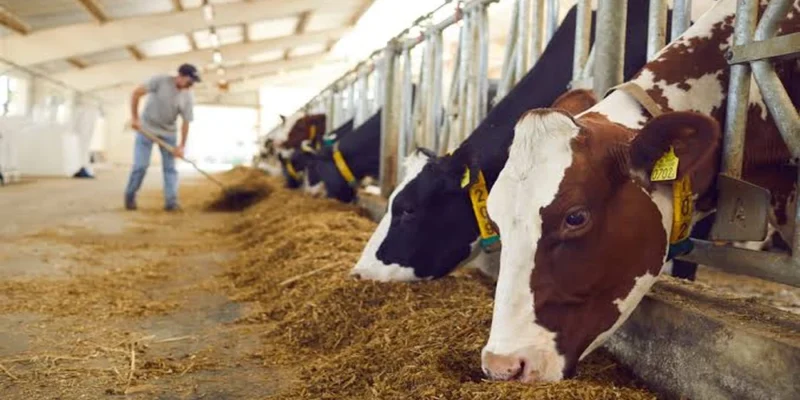
Managing livestock and maintaining productive agricultural land requires careful planning, reliable equipment, and efficient daily operations. Farmers and ranchers must balance animal nutrition, pasture conditions, soil health, and seasonal workloads while controlling operating expenses. Modern farm machinery has become an essential part of achieving these goals. From automated feeding systems to advanced tractors and land maintenance equipment, agricultural technology helps operators complete demanding tasks with greater accuracy and less manual effort.
Modern Machinery for Efficient Livestock Feeding
Providing livestock with consistent, nutritious feed is one of the most important responsibilities in agricultural operations. Traditional feeding methods often require considerable labor, particularly on larger properties where animals are distributed across multiple locations. Modern feeding machinery simplifies these activities by improving feed distribution, reducing waste, and supporting consistent feeding schedules.
Feed mixers, bale processors, and automated feeding systems allow operators to prepare and distribute feed more efficiently. Mixer wagons help combine different feed ingredients into balanced rations, while bale processors break down hay and distribute it across designated feeding areas.
Selecting appropriate machinery from a reliable farm and ranch equipment dealer can help agricultural businesses identify equipment suited to their livestock numbers, feeding practices, and property requirements. Access to suitable machinery also makes it easier to maintain consistent operations during demanding agricultural seasons.
Improving Feed Storage and Handling Operations
Efficient livestock feeding begins long before feed reaches the animals. Proper harvesting, transportation, and storage are essential for preserving nutritional quality and minimizing unnecessary losses.
Modern balers, loaders, and material handling equipment help farmers manage hay and other feed materials more effectively. Round balers produce compact bales that simplify transportation and storage, while front loaders and telehandlers make moving heavy feed supplies considerably easier.
Equipment selection also influences storage efficiency. Machinery that handles materials carefully can reduce unnecessary damage and contamination. Maintaining organized storage areas and using suitable handling attachments helps operators protect valuable feed resources while reducing physical strain on workers.
Supporting Better Pasture and Grazing Management
Healthy pastures provide livestock with essential nutrition while supporting long-term agricultural sustainability. However, maintaining productive grazing areas requires regular attention to vegetation growth, soil conditions, and livestock movement.
Tractors equipped with mowing attachments, rotary cutters, and pasture maintenance implements help control unwanted vegetation and encourage balanced plant growth. These machines allow operators to maintain grazing areas without relying entirely on manual clearing methods.
Pasture management equipment can also support rotational grazing practices. Portable fencing systems, post drivers, and utility vehicles make it easier to divide grazing areas and move livestock between designated sections.
Rotational grazing allows vegetation time to recover between grazing periods. When combined with appropriate stocking rates and soil management practices, this approach can improve pasture productivity and reduce excessive pressure on individual areas.
Maintaining Soil Health With Agricultural Equipment
Productive land depends on healthy soil structure, adequate nutrients, and effective water management. Poor soil conditions can limit forage production, increase erosion, and reduce the overall carrying capacity of agricultural properties.
Modern agricultural machinery supports soil management through controlled cultivation, targeted fertilizer application, and improved field preparation. Seed drills and spreaders help distribute seeds and nutrients more consistently, encouraging uniform vegetation development.
Compact tractors and specialized implements are particularly useful for maintaining smaller fields and difficult terrain. However, machinery must be operated carefully to avoid unnecessary soil compaction, especially when ground conditions are wet.
Choosing equipment that matches soil conditions and operational requirements helps farmers maintain productive land while limiting avoidable environmental damage.
Reducing Labor Demands Through Equipment Versatility
Agricultural operations frequently involve several different activities within the same working day. Workers may need to transport feed, maintain fencing, clear vegetation, and prepare fields while attending to livestock.
Multipurpose tractors and interchangeable attachments provide practical solutions for managing these responsibilities. A single tractor equipped with compatible implements can perform loading, mowing, grading, and material transportation tasks.
This adaptability might lessen the need for several specialized machines, especially for smaller farming enterprises. It also allows operators to adjust equipment configurations according to seasonal requirements and changing workloads.
Planning Machinery Investments for Long-Term Efficiency
Investing in agricultural machinery requires more than comparing purchase prices. Farmers and ranchers should evaluate equipment capacity, maintenance requirements, fuel consumption, attachment compatibility, and anticipated operating hours.
Equally important are reliable maintenance support and the availability of replacement parts. Equipment downtime during feeding periods or seasonal land preparation can disrupt operations and create additional expenses.
Regular inspections, proper lubrication, and timely servicing help maintain machinery performance and extend its useful life. Operators should also consider training requirements to ensure equipment is used safely and effectively.
Conclusion
Modern farm machinery plays an important role in improving livestock feeding efficiency and maintaining productive agricultural land. Feeding systems, tractors, pasture maintenance implements, and material handling equipment help reduce labor demands while supporting consistent agricultural operations. By selecting suitable machinery, maintaining equipment properly, and following responsible land management practices, farmers and ranchers can improve operational reliability, protect valuable resources, and support sustainable agricultural productivity.







Comments