
 By
By 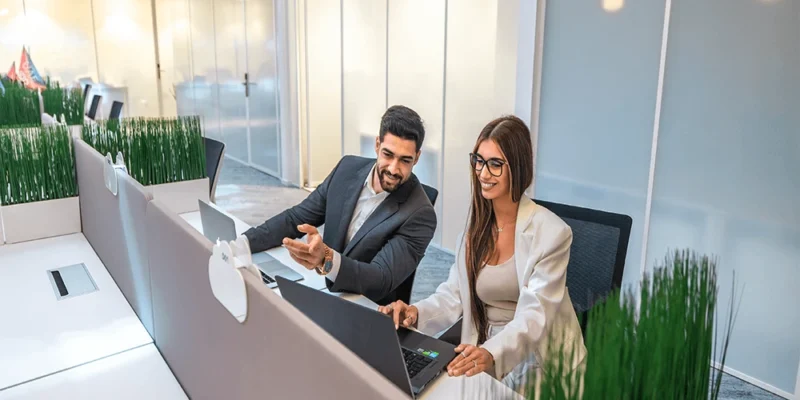
A workplace doesn’t need to look like an eco-showroom to be more sustainable. In fact, some of the most useful changes are the boring ones: using less energy, wasting fewer materials, choosing better products, and making it easier for people to do the right thing without thinking too hard about it. When sustainability feels practical instead of performative, it’s much more likely to stick.
That’s the real idea behind improving environmental sustainability at work. It’s not about putting a plant on every desk and calling it a day. It’s about looking at how the workplace actually runs, then finding sensible ways to reduce waste, lower energy use and create a healthier space for the people using it.
Start With What People Use Every Day
The best place to begin is often the most obvious: daily habits. Offices go through a surprising amount of paper, packaging, stationery, disposable cups, cleaning products and electricity. None of these things feel huge on their own, but across a full team and a full year, they add up quickly.
Simple swaps can make a difference. Set printers to double-sided by default. Replace disposable kitchen items with reusable ones. Make recycling bins clear and easy to find. Choose refillable pens, recycled paper and lower-waste supplies where possible. These aren’t dramatic changes, but they remove a lot of unnecessary waste from the background of office life.
The key is convenience. If the sustainable option is hidden in a cupboard while the wasteful option is sitting right there on the bench, people will usually choose what’s easiest. Make the better choice the simple choice.
Rethink Energy Use
Energy is another area where small adjustments can have a real impact. Lighting, heating, cooling, computers and appliances all contribute to the footprint of a workplace. Some of this can be improved through behaviour, but design and systems matter too.
Natural light is a great start. Workplaces that make better use of daylight can reduce the need for artificial lighting while also feeling more pleasant to spend time in. LED lighting, motion sensors and zoned lighting can help cut unnecessary energy use, especially in meeting rooms, storage areas and breakout spaces that aren’t occupied all day.
Heating and cooling can be trickier because everyone seems to have a different idea of the perfect temperature. Still, regular maintenance, sensible thermostat settings and good airflow can help reduce waste without making the office uncomfortable.
Choose Furniture and Fit-Out Materials Carefully
Sustainability isn’t only about what happens after people move into a workplace. It also applies to how the space is designed, furnished and fitted out. Cheap furniture that needs replacing every few years can create more waste than investing in durable pieces that last longer.
When planning updates, it’s worth considering recycled materials, responsibly sourced timber, low-VOC finishes, modular furniture and layouts that can adapt as the business changes. A flexible workplace is often a more sustainable one because it doesn’t need to be ripped apart every time the team grows or the way people work shifts.
There’s also value in reusing what already exists. Not every office refresh needs to start from scratch. Sometimes repainting, reupholstering, reconfiguring or repairing existing pieces can achieve a strong result with far less waste.
Bring the Team Into It
Workplace sustainability works best when it isn’t treated as one person’s side project. People are more likely to support changes when they understand why they matter and how they can contribute.
That might mean setting up a small green team, sharing progress updates, encouraging low-waste lunches, reviewing suppliers, or asking staff where they see waste happening day to day. Often, the people using the workplace every day have the most practical ideas because they know where the friction points are.
Make Sustainability Feel Normal
The goal isn’t perfection. No workplace gets everything right overnight, and sustainability shouldn’t feel like a lecture. The aim is to build better habits into the everyday flow of work so they become normal.
When an office uses less, wastes less and makes smarter choices about its space, it sends a clear message. Sustainability isn’t just something the business says it values. It’s something people can see in the way the workplace actually operates.







Comments