
 By
By 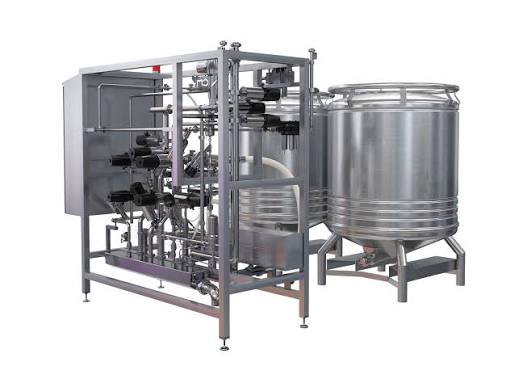
Gummies arrive pre portioned from the factory. Syrup hands the measuring cup to the customer, and that single transfer of responsibility reshapes everything a manufacturer must guarantee. Budpop.com lists syrups whose entire value rests on delivering on label promises. A gummy with slight variance affects one serving. A syrup with settling issues affects every serving in the bottle, compounding as liquid levels drop. First pours running weak while final pours run triple strength is the classic failure, and it happens whenever cannabinoid material separates from suspension during weeks on a shelf. Consistency in this format is not a quality metric among many. It is the product itself, and manufacturing exists to protect it from the moment ingredients meet until the last pour leaves the bottle.
Emulsion stability holds everything
Cannabinoid oil and water based syrup want to separate, so stable emulsification performs the invisible structural work beneath every reliable bottle. Manufacturers process oil into microscopic droplets wrapped in emulsifier, small enough to stay suspended indefinitely rather than drifting upward over time. Formulation choices then protect that suspension from every direction, viscosity tuned thick enough to slow particle movement, preservative systems guarding shelf life after opening, flavor systems masking hemp bitterness without destabilizing the blend. Every ingredient added gets tested against the emulsion, because a sweetener or botanical extract that seems harmless can crash suspension weeks later. Good syrup is a chemistry achievement wearing a beverage costume, and the chemistry never stops working even after the marketing forgets it exists.
Sampling programs verify uniformity
Testing a syrup batch once tells almost nothing. Meaningful verification samples across position and time together.
- Top, middle, and bottom draws from holding tanks confirm uniformity before bottling begins.
- Finished bottles pulled across a full run catch drift between first and final fills.
- Aged samples retested at intervals prove suspension survives months of real shelf life.
- Temperature cycled bottles simulate delivery trucks crossing summer and winter alike.
- Opened bottle studies verify dosing accuracy persists after air enters and pours begin.
Brands running this full matrix ship bottles behaving identically in month one and month six. Brands testing only fresh batches learn their emulsion failed through customer complaints, the most expensive laboratory available, with results published publicly in review sections.
Measurement hardware completes accuracy
All the chemistry succeeds or fails at the customer’s kitchen counter, where included tools finish what the factory started. Clear measuring cups or calibrated droppers convert label accuracy into actual serving accuracy, and cheap unreadable hardware wastes everything upstream in a single confusing pour. Instructions carry equal weight, shake directions written plainly, serving charts printed at usable size, storage guidance covering refrigeration honestly. Some operators now mark milligrams directly on the measuring device rather than milliliters, removing one conversion step and one error source from every serving. Manufacturers thinking past the bottle toward the pour are the ones whose reviews mention reliability instead of surprises, and reliability is the only review that sells syrup.
Syrup rewards manufacturing discipline more than any edible format, because the customer completes production at home with every pour. Whoever controls suspension, verification, and measurement together owns the trust this category runs on.








Comments