
 By
By 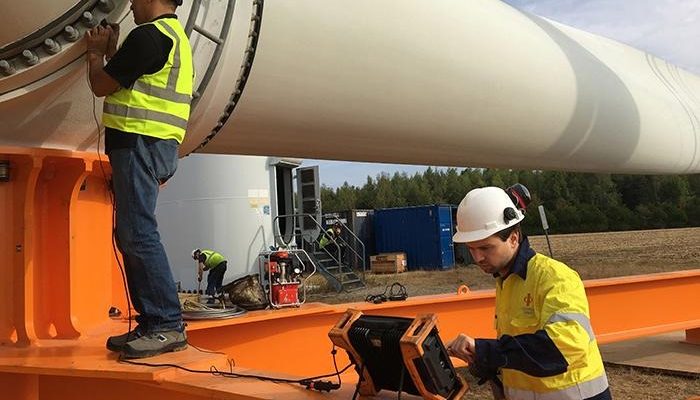
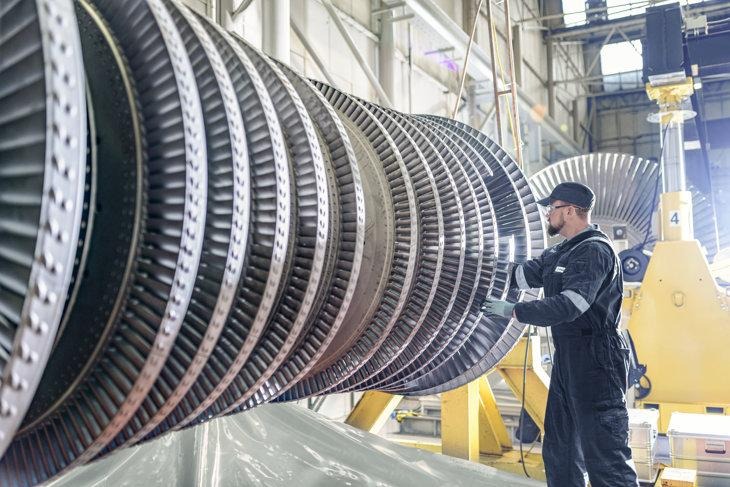
Steam turbines are essential to industrial processes, large ships, and nuclear and coal power plants. They are mechanical devices that transform the heat generated from pressured steam into rotational mechanical energy.
Usually, for running an electrical generator. Similar to a sophisticated windmill system. It operates by forcing high-pressure steam by means of nozzles. To create high-velocity jets that press on bladed wheels or rotors. Thus, prompting them to spin quickly.
How it Operates
- Generation: To produce high-pressure, high-temperature water, water is heated. This is by nuclear fission, burning fossil fuels, etc.
- Energy Conversion: After entering the turbine and expanding through nozzles, the steam hits the turbine blades.
- Rotational Motion: The rotor, a shaft with blades attached, rotates due to the force of the steam.
- Mechanical Work: An associated generator is powered by this rotation, which generates electricity.
- Exhaust and Condensation: Following its passage, the reduced pressure is frequently directed to a condenser. This is where it transforms back into water, generating a vacuum that increases efficiency. The water is then recycled back into the boiler.
Inspection
- The crucial process of methodically inspecting parts. And to evaluate their condition and find wear or flaws. This will guarantee safe functioning and forecast steam turbine inspection and maintenance requirements.
- In power generation, it’s essential for dependability, efficiency, and prolonging the equipment’s life. A comprehensive examination of the operational history. Including maintenance logs, prior inspections, and any noted irregularities.
- These usually start the inspection procedure. This data aids in customizing the examination to address particular issues. And maximize the use of available resources.
- Advanced non-destructive testing or NDT methods, such as radiography, eddy current testing, and ultrasonic testing, are used. This is to find internal and external flaws without causing harm to the components.
- Following collection, the assessment data is subjected to a thorough analysis to ascertain conformity with pertinent requirements. Compliance guarantees both regulatory conformance and operational safety.
- Next, a thorough report is produced that contains conclusions, suggestions, and plans of action to resolve any problems found. The report acts as a guide for engineers and maintenance staff to quickly take corrective measures.
Thus, extending the lifespan and improving overall plant efficiency. By avoiding mistakes that can result in major downtime or negative effects on the environment. This proactive strategy is in line with more general sustainability objectives.
- The lab uses cutting-edge tools. Highly qualified professionals who are adept at deciphering complicated data to guarantee thorough inspections.
To give a comprehensive picture of the state, they make use of cutting-edge technologies. Including thermal imaging, acoustic emission testing, and vibration analysis – visit https://www.ndt.net/article/ecndt2006/doc/Tu.3.8.5.pdf to read further.
They can find minute indications of damage that could otherwise go undiscovered. That’s why they include these instruments in their examination procedures.
Benefits
The advantages of a thorough inspection go beyond simply meeting legal requirements. They include a number of significant advantages for power plants.
- Routine inspections reduce the possibility of unscheduled downtime by enabling the early identification and resolution of such problems. Proactive steps are essential because downtime can be expensive. Especially when it comes to lost production and higher maintenance costs.
- By following stringent international inspection guidelines. Facilities can guarantee that the highest performance and safety standards are met. Maximizing energy efficiency promotes long-term sustainability. In addition to improving operational reliability.
- Adherence to these guidelines guarantees that maintenance operations are carried out methodically and uniformly. This is crucial for preserving the quality of the components. This eventually results in less wear and tear, increasing the lifespan and lowering the need for expensive repairs.
- By reducing emissions from unscheduled outages. Comprehensive inspections not only improve operational dependability and reduce costs. But they also support environmental sustainability.
Experts contribute to minimizing waste and lowering the total carbon footprint of electrical power-producing facilities. This is achieved by making sure that every system is running effectively.
- The proficiency of the laboratory in carrying out these examinations offers insightful information about possible areas for development. Future maintenance plans and facility-wide programs for continuous improvement can benefit from these insights. Operators can improve their operational procedures and further maximize performance by utilizing this knowledge.
In conclusion, safety, reliability, environmental sustainability, and cost savings. These are all greatly enhanced by a thorough steam turbine inspection.
These benefits are attained by strict compliance with international standards – additional info on performance test codes. Also, organized maintenance procedures and ongoing key performance indicator monitoring.
Contributions to Sustainability and the Environment
- Early defect diagnosis results in fewer unplanned downtimes.
- Improved performance monitoring leads to increased energy efficiency.
- The components have a longer lifespan, which reduces material waste.
- Reduced the impact on the environment by avoiding emissions from prolonged operations.
An inspection service’s proactive approach helps the energy industry achieve more general sustainability objectives. Experts help create a more resilient and sustainable power generation infrastructure.
It’s by making sure that facilities run as efficiently as possible. These contributions support international initiatives to develop renewable energy sources and lessen carbon footprints.







Comments