
 By
By 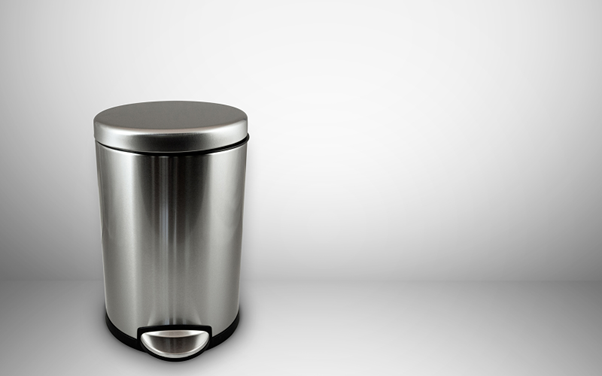
Few items in your home or workspace are used as frequently as your bin. But if there’s one thing the past few years have taught us, it’s that hygiene matters more than ever. Enter pedal bins, the quiet achievers of clean living. With a simple press of a foot, these bins reduce hand contact, limit the spread of germs, and offer convenience with every lift of the lid. But are all pedal bins equal? Do they improve hygiene, or are they just a minor upgrade from traditional flip-top bins? And how can you make the most of them in the first few months of use?
The Hygiene Logic of Pedal Bins
The appeal of pedal bins is straightforward. But the benefits extend far beyond convenience. In high-traffic environments, surfaces like bin lids become hotspots for cross-contamination. According to a study, household bins were among the top five surfaces to harbour bacteria, especially when touched after food preparation or handling waste.
By removing the need to touch the lid, pedal bins effectively cut down a potential contamination point. This makes them especially valuable in places where handwashing might not happen immediately after throwing something away.
In public spaces, such as clinics, cafes, or schools, the stakes are even higher. One touch can pass on bacteria to the next dozen users. Pedal bins offer a passive safeguard, allowing waste disposal without physical contact, especially useful during flu seasons or when dealing with sensitive items like tissues or PPE.
Modern pedal bins are built with materials like stainless steel or high-grade plastics that are easier to disinfect. Many also include odour-resistant linings and inner buckets for mess-free disposal. It’s a small change with measurable impact.
Getting Real with Bin Expectations
Ask anyone who’s bought a cheap bin from a discount store, and they’ll likely have broken pedals, misaligned lids, or bins that smell like last week’s takeaway no matter how often they’re emptied. That’s because not all pedal bins are created equal.
A seasoned facilities manager will tell you: capacity, material, and lid mechanism matter. Smaller bins under 20 litres might suit personal workstations, but quickly overflow in kitchens or shared offices. Meanwhile, lightweight plastic bins might work indoors but warp or degrade in outdoor settings.
Experts also look for bins with enclosed mechanisms, which prevent dirt buildup and allow smoother pedal operation over time. A poorly designed bin might require you to press hard or lift manually after just a few weeks.
For novices setting up a new flat, office, or childcare centre, it’s tempting to prioritise cost. But experience shows that a bin that breaks or stinks after a few months is not a bargain. Thoughtful design, inner buckets, quiet-close lids, and anti-slip bases make a difference in daily use.
This doesn’t mean spending excessively. Even basic models of pedal bins can offer long-term satisfaction if you know what to look for: a solid pedal base, corrosion-resistant materials, and a secure lid that closes gently.
Making the Most of Your Pedal Bin
The first few weeks with a new bin may seem uneventful, but they’re the best time to set habits that extend the life of your pedal bin. Start by placing it in the right spot. A bin that’s too far from your work area, sink, or prep station will encourage users to toss waste elsewhere.
Line the bin properly. Using liners that match the bin’s size ensures waste doesn’t get wedged at awkward angles. Change them frequently, especially if your bin is in the kitchen or bathroom. Even with odour control, lingering waste can affect the bin’s surface and smell.
Cleaning is often neglected until it’s too late. A simple wipe-down of the lid, pedal, and outer surface once a week helps prevent buildup. For bins with inner buckets, removing them for a monthly wash keeps both hygiene and function in check.
Take note of usage patterns. These signs help you assess whether the size or placement is optimal or if you might need a secondary bin in high-use areas. You’ll notice subtle changes with less mess, fewer odours, and reduced need for deep scrubbing. It’s an upgrade that quietly transforms your cleaning routine.
One Small Step (Pedal), One Giant Leap for Cleanliness
Pedal bins remind us that sometimes the simplest innovations offer the biggest wins. From better hygiene to daily convenience, they make throwing out rubbish feel less like a chore and more like a clean, confident step in the right direction. Investing in a pedal-operated system is a small yet meaningful way to support healthier living. And like most good habits, once you’ve used a pedal bin, it’s hard to imagine going back.
Think all bins are the same? Try a pedal bin from Ausko, and see why your foot might just become your new favourite cleaning tool.







Comments