
 By
By 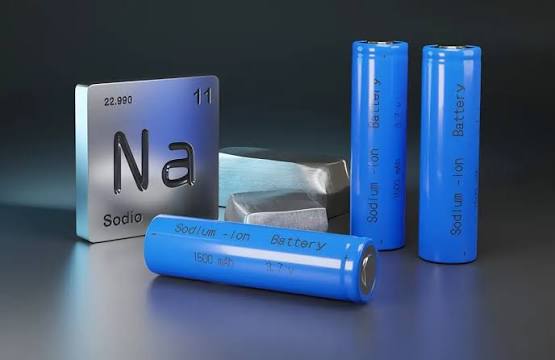
While battery-powered products make their way through the global supply chain, businesses deal not only with lithium-ion shipments. Sodium-ion technology is now becoming a part of commercial application, creating new dangerous goods classifications and air freight requirements.
If your business works with the shipping lithium batteries, it is necessary to understand the classification of sodium-ion batteries as well, since both chemistries are not necessarily shipped in the same way.
According to the 2026 IATA Dangerous Goods Regulations, sodium-ion batteries with organic electrolyte have dedicated UN numbers: UN 3551 for standalone batteries and UN 3552 for batteries packed with or contained in equipment. Shipment of these batteries is subject to class 9 dangerous goods requirements and related testing, packaging, marking, labeling, and documentation.
What Are UN 3551 and UN 3552?
The first step in preparing a sodium-ion shipment is identifying how the battery is being transported.
| Classification | Transport configuration | Key requirement |
|---|---|---|
| UN 3551 | Sodium-ion batteries shipped by themselves | Applies to qualifying sodium-ion batteries with organic electrolyte |
| UN 3552 | Sodium-ion batteries packed with or contained in equipment | Requirements vary according to the configuration and battery capacity |
The 2026 IATA guidance provides packing instructions for UN 3551 and UN 3552. UN 3551 follows packing instruction 976, and UN 3552 could use packing instructions 977 or 978 depending on the packing of batteries.
It is important to note that businesses cannot choose UN numbers depending only on the battery chemistry. The shipment’s configuration, battery specifications, and applicable air-transport rules also affect how it must be prepared.
Sodium-Ion vs. Lithium-Ion: Why the Classification Matters
The UN 3480 classification is typically used to ship standalone lithium-ion batteries, and the UN 3481 classification is chosen if the batteries are shipped packed with or contained in equipment. Sodium-ion batteries with organic electrolytes can be shipped using the new UN 3551 and UN 3552 classifications.
It is important for business shipments since the applicable classification impacts the packing instruction, package limits, marks, labels, and other requirements.
Sodium-ion batteries cannot be considered as lithium-ion batteries with a different name. Businesses should recognize the chemistry and the shipment configuration before choosing the transport entry.
What Air Freight Rules Should Businesses Check?
Air transport requires more preparation than simply placing batteries in protective packaging. The battery must meet the applicable testing criteria, and the shipment must follow the relevant IATA Dangerous Goods Regulations and carrier requirements.
For sodium-ion batteries, IATA’s 2026 guidance states that cells and batteries must meet the applicable UN Manual of Tests and Criteria Part III, subsection 38.3 requirements. The guidance also sets specific limits and packing instructions according to the battery configuration.
Businesses should verify:
- Correct UN classification and proper shipping name
- Applicable packing instruction
- Watt-hour ratings and cell specifications
- State-of-charge requirements where applicable
- Short-circuit protection
- Packaging requirements
- Required marks and hazard labels
- Transport documentation
These checks should happen before the shipment reaches the cargo terminal. IATA notes that batteries can be transported by air depending on their configuration and rating, but the applicable dangerous-goods requirements must be followed.
Shipping Lithium Batteries: What Businesses Should Prepare
The same disciplined approach applies when shipping lithium batteries, although the applicable UN entry and packing instruction will depend on the battery type and how it is presented for transport.
For example, from January 2026, standalone lithium-ion batteries under UN 3480 and PI 965 generally must be offered for air transport at a state of charge not exceeding 30% of their rated capacity, unless the relevant authorities approve an exception.
Before tendering a battery shipment, businesses should:
- Confirm the battery chemistry and correct UN number.
- Determine whether it is shipped alone, packed with equipment, or contained in equipment.
- Check the applicable watt-hour or other rating.
- Confirm the required packing instruction.
- Protect terminals against short circuits.
- Use the required packaging and markings.
- Prepare any required dangerous-goods documentation.
- Check the airline or logistics provider’s specific acceptance conditions.
DHL’s 2026 guidelines also emphasize the need to identify the correct UN number and verify the battery specifications along with safety and testing data.
Common Compliance Mistakes to Avoid
The following mistakes may lead to unnecessary delays and/or rejection of a shipment.
The first one is that businesses may assume sodium-ion batteries fall into lithium-ion categories.
The second mistake is the selection of UN 3551 or UN 3552 without verifying the actual configuration. State/operator variations can add to a company’s compliance issues.
Packaging may also become a common weak point since even when the battery itself complies with the regulations, it still needs appropriate packaging that meets the requirements of applicable transport instructions. Inappropriate marks and missing labels or documents will bring about the issue at acceptance/handling.
Since the regulations continuously evolve, it is advisable to refer to the most recent edition of the applicable dangerous goods regulations and not to an old shipment template.
A Practical Air-Freight Checklist
Before sending either battery chemistry by air, businesses can use this basic checklist:
- Identify: What battery chemistry is involved?
- Classify: Which UN number applies?
- Configure: Is the battery standalone, packed with equipment, or contained in equipment?
- Test: Has the battery met the applicable UN 38.3 testing requirements?
- Package: Which packing instruction applies?
- Mark: Are the required marks and labels correctly applied?
- Document: Are all required shipping documents ready?
- Verify: Has the airline or carrier confirmed acceptance?
Conclusion
Sodium-ion technology is adding another layer to the battery logistics landscape. In accordance with the 2026 air transport regulation, UN 3551 is responsible for sodium-ion batteries when shipped separately, and UN 3552 is responsible for sodium-ion batteries packed with or in equipment. The packing and transportation procedures will be determined based on the particular shipping scenario and specifications of the batteries.
For businesses, the safest starting point is accurate classification. Identifying the chemistry, configuration, and applicable packing instructions before tendering a shipment can help prevent avoidable compliance issues and keep battery-powered products moving through the air-freight supply chain.








Comments