
 By
By 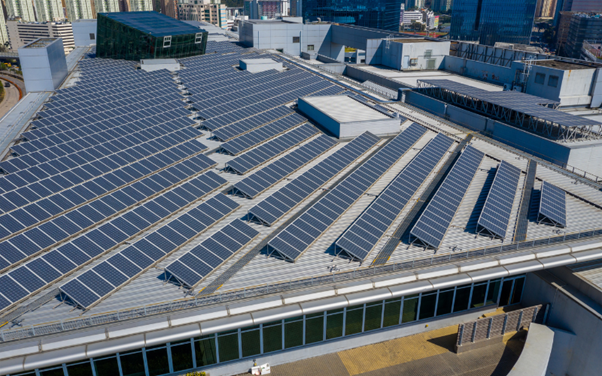
The green building industry has advanced, with new materials, technologies, and smarter design principles replacing older, ineffective methods. But if you’re still relying on traditional sustainability approaches, you might be wasting money, missing efficiency gains, and failing to meet today’s environmental standards.
If you’re serious about maximising energy savings, reducing carbon footprints, and future-proofing your building, it’s time to ditch these outdated beliefs. Here’s what could be holding your sustainability efforts back.
Assuming Any “Green” Material Is a Good Choice
Many developers assume that using eco-friendly materials automatically makes a building sustainable. But not all materials marketed as “green” are truly sustainable in the long run. Some have short lifespans, require high maintenance, or are produced in ways that offset their environmental benefits.
Choosing materials without evaluating their lifecycle impact can lead to higher replacement costs and waste. A building sustainability consultant assesses the true sustainability of materials, ensuring they balance eco-friendliness, durability, and energy efficiency.
Believing That Solar Panels Alone Solve Energy Efficiency
Installing solar panels is often seen as the gold standard for sustainability, but relying only on solar power without improving the building’s energy efficiency is a costly mistake. Solar energy helps offset electricity usage, but if a building still wastes energy through poor insulation, inefficient lighting, and outdated HVAC systems, then solar alone won’t make it sustainable.
A more effective approach is to optimise passive design strategies first. Maximising natural light, ventilation, and thermal insulation reduces overall energy demand. A sustainable building consultant can then integrate renewable energy where it delivers the highest impact, rather than relying on solar panels as a band-aid solution.
Focusing Too Much on Certification Instead of Actual Efficiency
Many projects prioritise getting a green building certification over implementing real efficiency measures. While certifications like LEED, BREEAM, or Singapore’s Green Mark offer credibility, they should not be the sole focus.
A building may achieve certification while still wasting energy, overusing water, or relying on unsustainable materials. The goal should be long-term performance, not just meeting certification requirements. Working with an ESD consultant ensures that sustainability efforts extend beyond paperwork, focusing on real-world efficiency gains.
Thinking Water Conservation Isn’t as Important as Energy Efficiency
Water efficiency is often overlooked in sustainable building strategies. Many projects focus only on reducing electricity use, ignoring the impact of water waste. In reality, water and energy are closely linked—treating and pumping water requires significant energy, and inefficient water systems increase operational costs.
Simple strategies such as rainwater harvesting, greywater recycling, and water-efficient fixtures can cut both water and energy use. A building sustainability consultant can help integrate smart water management systems, ensuring your building is efficient in every aspect—not just energy use.
Relying on Outdated HVAC Systems Instead of Smart Climate Control
Traditional HVAC systems consume massive amounts of energy, especially when they’re not properly optimised. Many older buildings rely on inefficient cooling and heating systems, driving up costs and negating other sustainability efforts.
Smart climate control technology, including AI-driven HVAC systems, real-time energy monitoring, and automated air ventilation, can significantly reduce energy consumption while improving indoor comfort. A sustainable building consultant can recommend cost-effective climate control solutions, ensuring your building operates at peak efficiency without unnecessary energy waste.
Neglecting Building Performance Data After Construction
Many developers and building owners focus on sustainability only during construction, assuming that once a building is complete, it will remain efficient forever. The truth is, buildings require ongoing monitoring and adjustments to maintain long-term efficiency.
Without real-time performance tracking, systems may become inefficient over time, leading to higher energy bills and wasted resources. Installing smart meters, automated lighting, and energy tracking tools helps maintain sustainability throughout the building’s lifecycle. A building sustainability consultant can assist in setting up monitoring systems that ensure continuous improvement.
Trying to Cut Costs by Avoiding ESD Consultation
Some developers believe that sustainability consulting is an unnecessary expense, choosing to implement green practices without expert guidance. However, making the wrong sustainability choices can be far more expensive in the long run.
An ESD consultant provides data-driven insights and proven strategies that optimise efficiency, cut costs, and prevent costly mistakes. Instead of wasting money on ineffective solutions, working with an ESD consultancy ensures that sustainability efforts deliver real value, not just greenwashing.
Final Thoughts
Sustainability in construction has moved beyond outdated practices. Simply using green materials, installing solar panels, or obtaining certifications does not guarantee an energy-efficient, cost-effective, and truly sustainable building.
If you’re serious about making real progress in sustainable building, it’s time to ditch outdated beliefs and adopt proven, modern strategies.
Need expert guidance for your sustainability project? Contact Afogreen Build today to ensure your green building efforts are efficient, cost-effective, and future-proof.






Comments