
 By
By 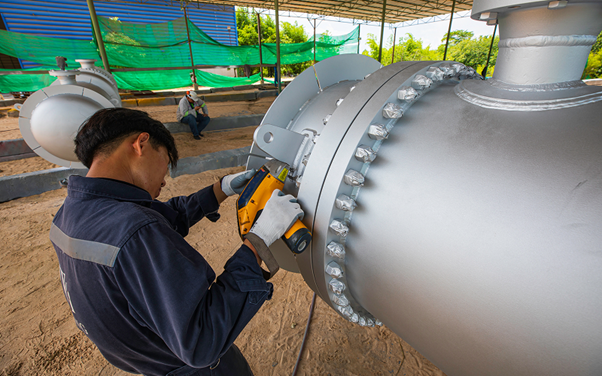
Industrial environments such as offshore platforms, refineries, and chemical processing plants present unique challenges when it comes to fire protection. Passive fire protection (PFP) in these settings is essential for shielding structural components and process equipment from the intense heat of hydrocarbon fires, particularly jet fires.
However, traditional rigid or permanent fireproofing methods often fall short when space is limited, access is critical, or frequent maintenance is required. Removable PFP systems offer a practical, adaptable, and compliant solution in such conditions, meeting fire safety standards without obstructing operations.
Operational Access and Maintenance Requirements
One of the most compelling reasons for using removable PFP is the need for regular inspection, maintenance, and repair of protected equipment.
Valves, actuators, control panels, and other critical instrumentation must remain accessible. Permanent systems such as intumescent coatings or rigid cladding restrict this access and often require complete removal and reinstallation during shutdowns, an approach that is both time-consuming and cost-prohibitive.
Removable PFP systems, on the other hand, are engineered to be easily detached and reattached without specialised tools. This system drastically reduces downtime during maintenance cycles and ensures compliance with fire safety regulations without affecting operational continuity.
Complex Geometries and Tight Spaces
Facilities with dense layouts or complex structural geometries face significant challenges when applying traditional PFP systems. Custom-cut rigid panels or sprayed coatings cannot always conform to tight bends, oddly shaped valves, or irregular flange connections.
In contrast, removable jet fire PFP jackets and blankets are designed with flexibility in mind. They are fabricated using high-temperature insulation materials enclosed within weather-resistant and fireproof outer layers. These are tailored to fit the specific geometry of each component, making them ideal for retrofits or brownfield installations where spatial limitations prevent rigid installations.
The ease of fitting also reduces installation time and labour costs.
Temporary and Mobile Applications
Some PFP needs are temporary, such as during construction phases, commissioning activities, or while awaiting delivery of permanent systems. Removable PFP serves as a critical interim solution in these cases.
For example, during the early stages of an offshore platform’s operational phase, temporary removable jet fire PFP blankets can be used to protect vital components until final fireproofing work is completed.
Similarly, equipment that is frequently moved or replaced, like modular skid units, benefits from the flexibility of removable fire protection that can travel with the asset or be reapplied to new units as needed.
Inspection-Driven Safety Assurance
Another key advantage is how removable systems support non-destructive testing (NDT) and visual inspections.
Structural steel members and piping protected by rigid systems often remain hidden until fireproofing is stripped away, increasing the risk of undetected corrosion under fireproofing (CUF). However, with a removable PFP, plant personnel can conduct routine checks without removing or damaging protective materials.
This system enhances overall plant safety and asset integrity, making it a more sustainable long-term fire protection strategy, particularly in high-risk and high-maintenance zones.
Cost-Effectiveness in the Long Run
While the upfront cost of custom-fabricated removable jet fire PFP blankets may be higher than standard sprayed or coated systems, the long-term cost benefits are significant. The reduction in maintenance labour, downtime, and replacement of damaged materials over the asset’s lifecycle often offsets initial investment.
Additionally, reusable and reconfigurable systems provide long-term savings for operators managing multiple sites or modular plant systems. When factoring in total ownership costs, including maintenance and inspection compliance, removable PFP systems emerge as the more economical choice in many scenarios.
Conclusion
In settings where space, operating flexibility, and accessibility are critical, removable PFP is not only a convenient substitute, but the only workable one.. The use of removable jet fire PFP jackets and blankets ensures that safety standards are met without compromising plant functionality, inspection integrity, or cost-efficiency. Choosing a removable PFP system frequently results in improved operational resilience and simpler adherence to strict fire safety standards for asset owners and operators.
Visit Ancloz Engineering and let us help you customise a PFP system that meets your operational requirements without compromising access or compliance.





Comments